Introduction
In today’s rapidly evolving world of work and healthcare, occupational health nurses (OHNs) play a vital role in safeguarding employee well-being, promoting workplace safety, and contributing to national development goals. As industries adapt to new technologies, policies, and global health challenges, the demands placed on OHNs continue to grow. To remain effective and relevant in their practice, Continuous Professional Development (CPD) is not just an option but a necessity.
CPD refers to the structured process of maintaining, improving, and expanding knowledge and skills throughout a professional’s career. For occupational health nurses, CPD ensures they are well-equipped to respond to emerging occupational hazards, new health trends, and workplace risks that impact worker productivity and well-being.
This article explores why CPD is essential for OHNs, the benefits it brings to nurses, employers, and the wider community, and how ZOHNA supports its members in their professional growth.
1. Keeping Up with Evolving Workplace Challenges
The workplace is constantly changing. Advances in technology, new industrial practices, and shifts in the global economy all bring new risks and responsibilities for occupational health nurses.
For example, the rise of automation and artificial intelligence in workplaces introduces ergonomic and psychosocial challenges that require new approaches to occupational health. Additionally, global issues such as climate change, pandemics, and cross-border trade have significant impacts on worker safety and health systems.
CPD equips nurses with the latest knowledge and tools to respond effectively to these evolving challenges. By staying up-to-date, OHNs can design innovative health promotion programs, identify emerging risks early, and implement interventions that keep employees safe and organizations compliant with health standards.
2. Enhancing Clinical Competence and Confidence
CPD directly improves the clinical competence of occupational health nurses. Training workshops, seminars, and short courses expose nurses to the latest research, guidelines, and evidence-based practices in occupational health. This ongoing learning strengthens their ability to:
- Conduct accurate risk assessments.
- Manage occupational illnesses and injuries.
- Implement workplace wellness programs.
- Advise employers on health policies and compliance requirements.
Increased knowledge also boosts professional confidence. A confident occupational health nurse can communicate more effectively with employers, employees, and policymakers, thereby influencing workplace decisions and advocating for safer practices.
3. Supporting Policy and Regulatory Compliance
Workplace health is not only about individual care but also about compliance with national and international regulations. Zimbabwe, like many countries, is working towards strengthening occupational health and safety standards in line with global frameworks such as the International Labour Organization (ILO) conventions.
Through CPD, occupational health nurses remain current with legal requirements, industry standards, and best practices. This ensures that the organizations they serve are compliant with regulations and avoid costly penalties. More importantly, it protects the workforce from preventable harm.
4. Driving Career Growth and Professional Recognition
CPD is a cornerstone of career development. Nurses who actively pursue professional development opportunities stand out in their field. They are better positioned for leadership roles, promotions, and specialized opportunities such as policy advisory positions, research roles, or consultancy work.
In addition, CPD contributes to professional recognition. Within professional associations such as ZOHNA, members who actively engage in CPD are eligible for leadership positions, mentorship roles, and the opportunity to represent the profession at national and international forums. This recognition elevates the status of occupational health nursing as a critical component of Zimbabwe’s healthcare system.
5. Strengthening the Link Between Health and Productivity
Healthy employees are more productive, and occupational health nurses play a key role in this equation. Through CPD, OHNs learn advanced strategies for promoting workplace wellness, managing occupational diseases, and preventing accidents.
For example, training in mental health support enables nurses to address workplace stress and burnout—issues that significantly reduce productivity. Learning about nutrition, ergonomics, and wellness programming equips them to design initiatives that improve employee morale, reduce absenteeism, and enhance overall output.
By strengthening their skills, OHNs directly contribute to organizational performance and economic development.
6. Empowering Nurses as Leaders and Advocates
Occupational health nurses are not only caregivers but also leaders and advocates. CPD prepares them to engage in policy discussions, influence decision-making, and advocate for better workplace health systems.
Through exposure to leadership and nursepreneurship programs, OHNs can build entrepreneurial skills that allow them to develop health-related businesses, consultancies, or community initiatives. This empowerment extends the reach of occupational health beyond traditional workplace settings, creating new opportunities for health innovation in Zimbabwe.
7. Aligning with Zimbabwe’s Vision 2030
Zimbabwe’s Vision 2030 outlines an ambition to achieve an upper middle-income economy by 2030. A healthy workforce is central to this vision. Occupational health nurses, empowered through CPD, play a critical role in ensuring workers remain safe, healthy, and productive.
By continuously upgrading their skills, OHNs contribute to reducing workplace injuries and illnesses, promoting sustainable industrial growth, and aligning occupational health standards with national development priorities. CPD is therefore not only a personal or professional responsibility but also a contribution to national progress.
8. ZOHNA’s Role in Supporting CPD
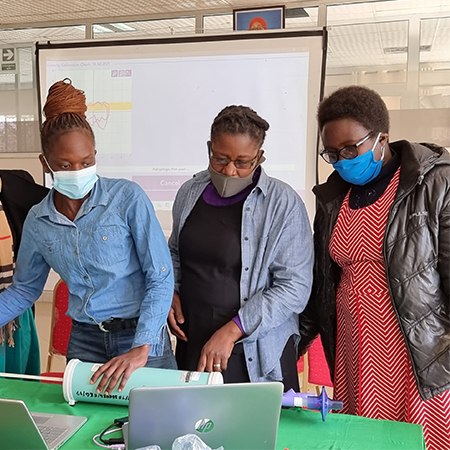
As the national professional body for occupational health nurses, ZOHNA provides a structured platform for CPD. Through flagship programs such as the Annual Conference & AGM, National Training Workshops, and Continuous Professional Development activities, members gain access to the latest knowledge and skills.
ZOHNA also fosters mentorship, research, and regional networking opportunities. These programs ensure that occupational health nurses across Zimbabwe, from Harare to Gweru, Masvingo, Mutare, and Bulawayo, have access to professional development regardless of their location.
In addition, ZOHNA collaborates with government, academia, and international organizations to ensure CPD activities align with global best practices while addressing Zimbabwe’s unique workplace health challenges.
Conclusion
Continuous Professional Development (CPD) is not optional for occupational health nurses—it is essential. It ensures they remain competent, confident, and influential in their practice. Through CPD, OHNs stay current with global trends, strengthen compliance with regulations, enhance productivity, and contribute to Zimbabwe’s Vision 2030.
For nurses, CPD is a pathway to personal growth, career advancement, and professional recognition. For employers, it ensures a healthier and more productive workforce. For Zimbabwe, it builds a stronger foundation for sustainable development.
At ZOHNA, we are committed to empowering our members through CPD opportunities that transform workplaces and communities alike. By investing in continuous learning, occupational health nurses not only advance their profession but also secure their role as vital contributors to a healthier, safer, and more prosperous Zimbabwe.